

Blog
Mythbuster #2 – “Bears in and around our communities are dangerous.”

FROM OUR EXPERIENCE
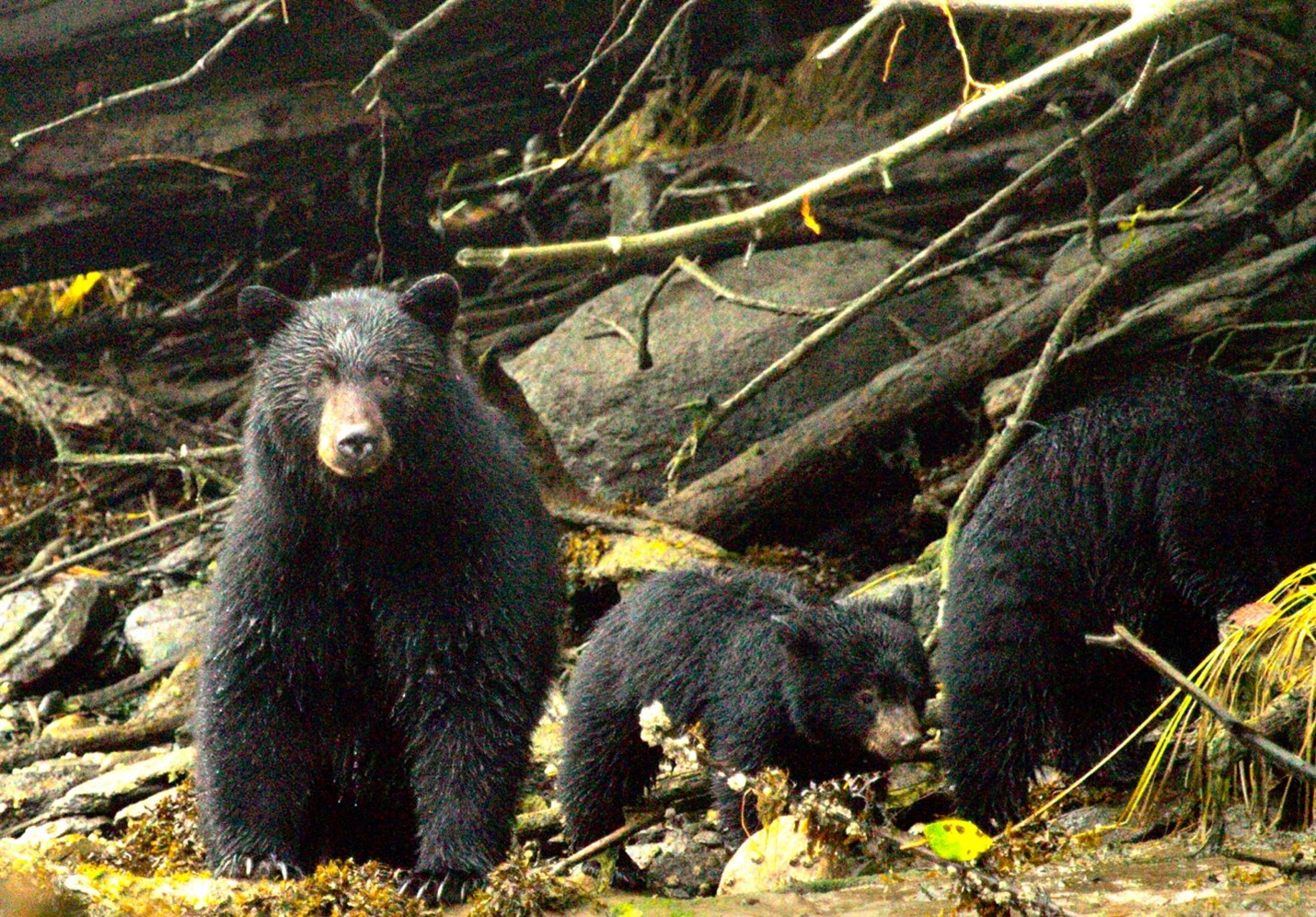
Bears that come into communities are coming because they are comfortable with us and are seeking safety from larger, more dominant bears and/or fleeing wildfires, flooding and hunting. (Hunting can include using dogs that chase the bear(s) and when the bear(s) are exhausted they are treed and then shot by the hunter.) These vulnerable bears that are in our communities, are most often mothers with cubs, newly weaned cubs, and old, sick and/or injured bears.
In late May and June, mother bears are weaning their cubs. (Black bear cubs typically stay with their mothers for about 17 months and Grizzly bear cubs remain with their mothers for about 3 years.) Without their mothers to guide them to food and keep them safe, these young bears are often scared, confused and/or curious. Some of these newly weaned cubs may appear overly confident, which is due to a lack of knowledge and experience on how to behave in new situations. This is a time to treat them kindly and fairly and with patience. If you are okay with them resting on your property and even eating natural bear food there, then just observe them from a safe distance. If / when you speak to them, speak in a calm voice. If you want them to move along, speak to them in a firm, calm voice. We want these young bears to learn respectful distances and behaviours, but we do not want them to fear us. Respectful but not fearful behavior is important: both for bears and humans.
Remember: Giving bears space, understanding and paying attention to their behavioural cues are first steps in earning bears’ trust. When humans behave kindly, respectfully, and predictably, the bears feel safe and when bears feel safe, you are safe.
Photo Credit (Trish Boyum at Nature Photography)